
The blackjack feed stutters for half a second right as the dealer flips the second card. Your balance takes three extra seconds to refresh after a spin. The site logs you out mid-session for no obvious reason. Most people blame the casino’s servers. Most people are wrong.
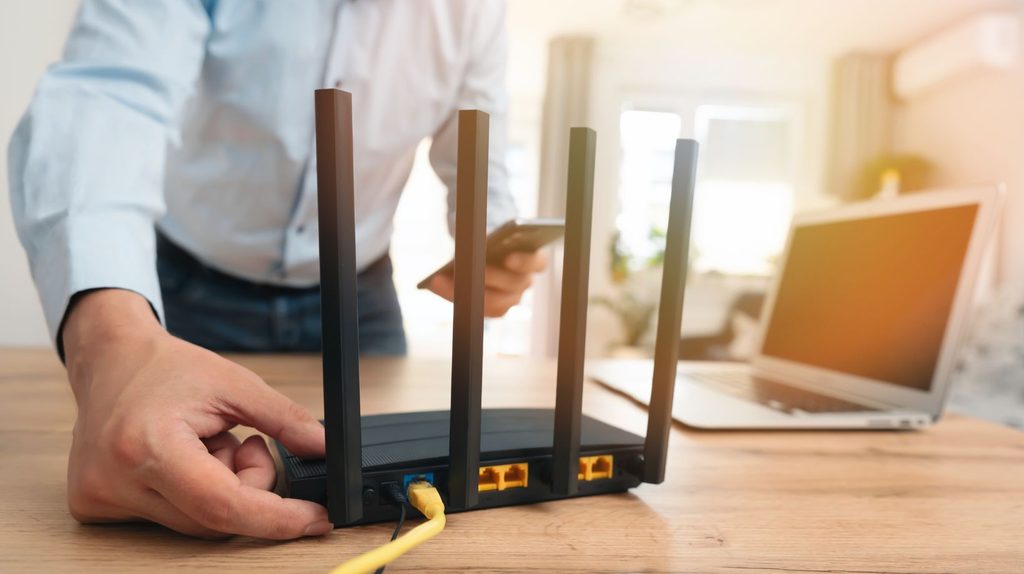
I’ve been staring at router logs for close to a decade, and the pattern is almost always the same. It’s not the platform. It’s the box sitting under your TV stand that hasn’t seen a firmware update since a previous government was in office.
That box matters more than most players realize, and this month gave us a very concrete reason why.
DRAY:BREAK changed the conversation
Earlier this month, researchers disclosed a batch of vulnerabilities in DrayTek routers, a line used heavily in both home and small-business setups, under the name DRAY:BREAK. Some of the flaws hit a maximum CVSS score of 10.0. That’s not a scary-sounding technicality. A 10.0 means an attacker can take full control of the device remotely, no login required, no user interaction needed.
A router in that state doesn’t just slow down your Netflix. It sits between you and every site you touch, including whichever platform you use to log in and move money. If someone owns the router, they can see the traffic passing through it. They can redirect it. In some documented cases they can intercept session cookies, which is the digital equivalent of someone photographing your hotel key while you’re still in the lobby.
Before you even think about which platform to use for real-money play in states where it’s legal, read the full guide on what separates a properly regulated option from a shady one. Because the platform choice matters. But it’s the second question, not the first.
Why this hits real-money sessions harder than everything else
Streaming a movie through a compromised router is annoying if it buffers. Logging into an account with your bank card attached is a different category of problem entirely.
Here’s the mechanic that gets skipped in most explainers. A live dealer feed, a KYC document upload, a withdrawal request, these all rely on a stable, uninterrupted connection between your device and the operator’s servers. Consumer Reports has flagged outdated router firmware as a security risk precisely because unpatched devices expose everything passing through them, not just the traffic you think of as “sensitive.” Your casino login isn’t a separate, protected channel. It’s just more data on the same pipe as your Spotify stream.
Old firmware doesn’t announce itself. It doesn’t pop up a warning. It just sits there, working fine, right up until it isn’t.
The TP-Link Omada disclosures made the picture worse
Days after DRAY:BREAK broke, Forescout researchers published a separate set of 15 vulnerabilities in TP-Link’s Omada line, the kind of gear that shows up constantly in home offices and small retail setups. Guessable device serials and hard-coded keys were part of the mix, the sort of flaw that sounds abstract until you realize it means an attacker doesn’t need to guess a password. They just need to know the pattern.
TP-Link ships an enormous share of consumer routers in the US. If you’ve bought a router at a big-box store in the last five years, there’s a real chance it’s one of theirs. That’s not an indictment of the brand. It’s just math. Popular hardware attracts more scrutiny, and more scrutiny finds more holes.
What actually happens when a router gets hijacked mid-session
I’ve watched this play out on a test network, not live, but close enough to draw the picture honestly. A compromised router can quietly redirect DNS requests, sending you to a lookalike login page instead of the real one. XDA Developers documented exactly this kind of DNS hijacking as one of the more common outcomes of an unpatched router, and it’s the sort of attack that looks completely normal from the user’s side. Same layout. Same logo. Wrong destination.
That’s the “sketchy feeling” players describe without knowing why. A login page that takes half a second longer to load. A verification email that never arrives. A withdrawal that gets stuck in review with no clear reason. Sometimes that’s the operator being slow. Sometimes it’s your own network quietly leaking session data to somewhere it shouldn’t go.
Packet loss makes it worse in a different way. Academic research on video degradation under compressed, congested networks shows that even small rates of packet loss produce visible artifacts and stalling in real-time streams. A live dealer feed is exactly the kind of real-time stream that punishes a shaky connection. If your router is choking on traffic, or if a botnet is quietly using it to relay someone else’s data, that live blackjack table is going to stutter no matter how good the studio’s production values are.
The checklist that actually matters
Not every fix requires a new router. Some of this is just discipline.
Check your firmware version tonight. Most admin panels show it on the main dashboard. If the last update is older than 12 months, that’s a problem, not a coincidence.
Change the default admin credentials if you haven’t already. “admin/admin” is still shockingly common on home networks, and it’s the first thing any scanning tool tries.
Turn off remote management unless you specifically need it. It’s a convenience feature that mostly benefits attackers, not you.
If your router is five years old or older and the manufacturer has stopped shipping security patches, replace it. Not upgrade the plan with your ISP. Replace the physical box.
None of that is exciting advice. It’s also the difference between a private session and one that isn’t.
Where a VPN helps, and where it doesn’t
A lot of players reach for a VPN the moment security comes up, and sometimes that’s the right instinct. A VPN encrypts your traffic between your device and the VPN server, which is genuinely useful on public wifi at an airport gate or a hotel lobby. It does less for you if the compromise is happening at the router itself, because a hijacked router can potentially see traffic before it ever reaches your VPN client, depending on where the interception happens.
TechRadar’s breakdown of VPN speed tradeoffs is worth reading if you’re weighing this, because there’s also a real cost. Encryption and server routing add latency, and latency is exactly what you don’t want during a live table game or an in-play bet. A VPN is one layer. It’s not a substitute for a router that actually gets patched.
FAQ
Does a router vulnerability actually affect my casino account, or just my browsing?
It can affect both. If an attacker controls your router, they can intercept login sessions, redirect DNS, and in some cases capture credentials for any site you visit, including ones handling deposits or withdrawals. The router sits between you and everything.
How do I know if my router has the DRAY:BREAK or TP-Link Omada flaws?
Check the manufacturer’s security advisory page directly using your model number. DrayTek and TP-Link both published patch lists this year. If your model appears and your firmware predates the patch, update immediately or isolate the device.
Is a five-year-old router automatically unsafe?
Not automatically, but the odds shift heavily against you. Malwarebytes Labs has previously reported that a large share of consumer routers stop receiving security patches within a few years of release, which leaves known vulnerabilities permanently unpatched.
Will a VPN fully protect me if my router is compromised?
Not fully. A VPN encrypts traffic in transit, but a hijacked router can potentially intercept data before it reaches your VPN client. Fix the router first, then treat the VPN as an additional layer, not a replacement for one.
Why does my live dealer feed stutter more than regular streaming?
Live dealer feeds are real-time and more sensitive to packet loss than buffered video. A congested or compromised home network shows up faster and more visibly on a live table game than it does on a pre-recorded stream you can pause.
The fix is boring, and that’s the point
None of this requires new hardware every year or an enterprise security budget. It requires checking a firmware version tonight, changing a default password you probably never touched, and treating your router the way you’d treat any other piece of hardware that touches your money. Nobody skips locking their front door because it’s inconvenient. The router deserves the same instinct.
Gambling involves risk. Please play responsibly and only wager what you can afford to lose. If you feel gambling is becoming a problem, visit BeGambleAware.org or call 1-800-GAMBLER.