
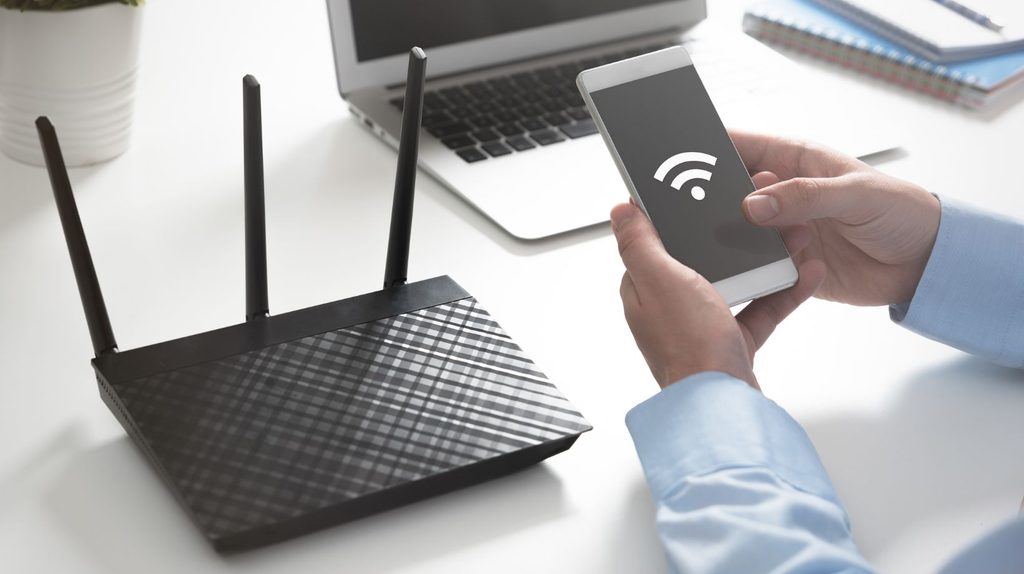
There’s a switch or router in most homes that hasn’t been touched since installation day. Mine hadn’t been rebooted in fourteen months until last week, when I finally went looking for a firmware update page and found out my model was on a list I didn’t want to be on.
That list came out of a batch of vulnerability reports hitting TP-Link’s Omada line and DrayTek’s router firmware in early August 2026. Researchers found flaws that let attackers hijack devices using nothing more than a guessed serial number or a default credential nobody bothered to change. One of the DrayTek bugs, part of what’s being called the DRAY:BREAK set, scored maximum severity. That’s not a performance bug. That’s a door left open.
Here’s why this matters if you gamble on your phone. Every deposit, every KYC document upload, every session where you’re logged into a real-money account travels across that same router before it ever reaches the casino’s servers. If the router is compromised, the attacker doesn’t need to beat the casino’s security team. They just need to sit on your traffic. So before anyone spends more time debating where to play mobile casino games, it’s worth asking whether the network carrying that session is actually safe to use in the first place.
The flaw isn’t in the app, it’s upstream of it
Casino apps get audited constantly. Operators licensed by serious regulators run penetration tests, encrypt payment data in transit, and generally take security more seriously than people give them credit for. The weak point isn’t the app. It’s everything between the app and the internet.
A router running outdated firmware is basically an unlocked front door with a very good alarm system installed on the back window. PCWorld reported that several widely-sold router models have known, unpatched vulnerabilities right now, and most owners have no idea. TP-Link itself had to warn users to patch a critical authentication-bypass flaw that let attackers slip past login credentials entirely, a bug BleepingComputer covered in detail.
Think about what that actually means in practice. An attacker on the same network segment, or one who’s hijacked the router remotely, can potentially intercept unencrypted traffic, redirect DNS requests, or plant themselves between your phone and your bank’s app. Mobile casino traffic isn’t special here. It’s just another payment flow riding the same pipe as your banking app, your email, and whatever smart camera is bolted to your porch.
What the KYC step actually exposes
Here’s the part that gets skipped in most “stay safe online” advice. Signing up at a licensed operator means uploading a passport photo or driver’s license during KYC verification. That file sits in a browser upload queue for a few seconds before it’s encrypted and sent. On a compromised router, that window is exploitable.
I’m not saying this happens constantly. I am saying it’s a real attack surface, and it’s one almost nobody thinks about when they’re rushing through account setup on a Tuesday night. The router doesn’t care if you’re withdrawing crypto or uploading tax documents. It just moves packets. If it’s been hijacked, it moves the attacker’s copy too.
Academic researchers have been flagging this for years, not months. A study out of University College London found that a large share of consumer routers ship with default credentials that never get changed and firmware that never gets patched. That research predates this month’s TP-Link and DrayTek disclosures by two years. The pattern isn’t new. It’s just getting worse as more of daily life, banking, gaming, work, moves onto phones connected to hardware nobody audits.
Five things to check tonight, not eventually
This isn’t a full network security overhaul. It’s a twenty-minute pass through settings most people have never opened.
- Log into your router’s admin panel and check the firmware version against the manufacturer’s site. If it hasn’t updated itself in six months, update it manually.
- Change the default admin password. Not the WiFi password, the actual router login. Attackers scan for defaults first.
- Disable remote management unless you specifically need it. Most home users don’t.
- Check whether UPnP is enabled. It usually is, by default, and it’s one of the easier things for malware to abuse to open ports without asking.
- If your router is older than five years and hasn’t had a security patch in that time, it’s probably time to replace it. Not upgrade the speed tier. Replace the box.
None of this takes long. Most of it takes less time than a single blackjack session.
Segment your network if you’re serious about it
If you want to go a step further, put your gaming devices, smart home gadgets, and anything holding payment credentials on a separate guest network or VLAN from your work laptop and any shared family devices. Most consumer routers sold in the last three years support a guest network option even if it’s buried two menus deep.
This matters more than people assume. A compromised smart plug or an unpatched IoT camera on the same flat network as your phone can act as a pivot point. The attacker doesn’t need to break into your phone directly if they can already sit inside your network through something dumber and less protected.
Americans lean on home broadband and mobile data more than at any point on record. Pew Research found the overwhelming majority of U.S. Adults now treat home broadband and a smartphone as essentials, not extras. That dependence is exactly why the router sitting in the corner of your living room deserves more attention than it gets.
Public WiFi makes this worse, not better
A lot of players assume they’re safer on public WiFi because it’s not “their” network being attacked. That’s backwards. A hotel or airport network is a shared environment where you have zero control over other devices connected to it, and zero visibility into whether the access point itself has been tampered with.
If you’re going to log into a real-money account away from home, use a VPN. A recent ruling from the Court of Justice of the European Union affirmed that VPNs are lawful technical tools, reinforcing what privacy advocates have argued for years: encrypting your own traffic isn’t suspicious behavior, it’s basic hygiene. The same logic applies whether you’re checking email at a coffee shop or clearing a withdrawal request from a hotel lobby.
What operators can and can’t fix for you
Licensed operators handle their side reasonably well these days. TLS encryption, session timeouts, device fingerprinting, most of that is standard now. What they cannot fix is the router sitting between you and them. That’s entirely on the player’s side of the connection, and it’s the part almost nobody audits.
I’ve had my own account flagged for review once, a withdrawal held for 48 hours while a KYC document got manually checked. Frustrating, but it told me the operator’s fraud detection was actually doing something. What it didn’t tell me was whether my home network was clean. Those are two separate problems, and only one of them gets discussed in casino reviews.
If you want the deeper mechanics of what happens when the network itself is unstable, not just insecure but laggy or dropping packets mid-session, network optimization for smoother gameplay covers the performance side of that same connection.
Frequently Asked Questions
Does a VPN protect me from a compromised router? Partially. A VPN encrypts your traffic so a compromised router has a harder time reading what you’re sending, but it doesn’t fix the router itself. If the device is hijacked at the firmware level, you still need to patch or replace it.
How do I know if my router has one of the flagged TP-Link or DrayTek vulnerabilities? Check the model number against the manufacturer’s security advisory page. TP-Link and DrayTek both publish CVE lists tied to specific firmware versions. If yours is listed, update immediately rather than waiting for an automatic push.
Is it safe to do KYC verification on mobile data instead of WiFi? Mobile data through a carrier is generally harder to intercept locally than an unpatched home router, but it’s not risk-free either. The safer move is fixing the router rather than avoiding WiFi entirely.
Should I use public WiFi to play mobile casino games at all? Only with a VPN active, and even then, treat it as higher-risk than your home network. Withdrawal requests and account changes are better handled once you’re back on a network you control.
How often should I update router firmware? Check monthly. Most manufacturers push security patches quietly, and routers rarely update themselves without you triggering it manually in the admin panel.
The Fix Costs Twenty Minutes, Not Money
Nobody wants to think about router firmware before a casino session. It’s not exciting, and it’s easy to assume the operator’s security team has everything covered. They don’t cover the last few feet of the connection, the part sitting in your closet or on a shelf, gathering dust since the day it was installed.
Patch it. Change the default password. Segment the network if you can. None of this guarantees anything is bulletproof, nothing online ever is, but it closes the easiest doors first.
Gambling involves risk. Please play responsibly and only wager what you can afford to lose. If you feel gambling is becoming a problem, visit BeGambleAware.org or call 1-800-GAMBLER.