
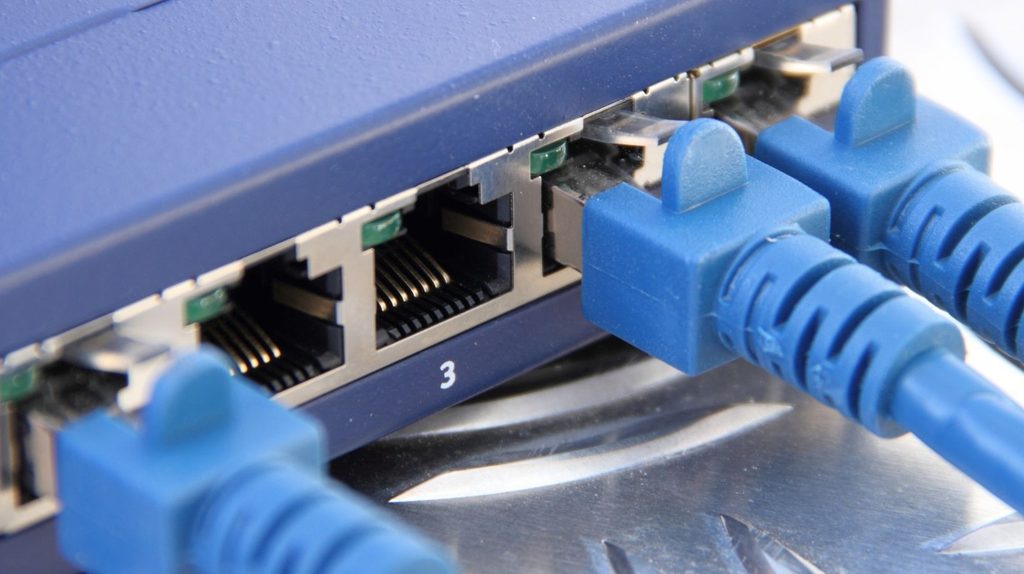
Somewhere in a spare bedroom or a home office cupboard, there’s a router that hasn’t been touched since the day an ISP technician plugged it in. Mine sat behind a filing cabinet for four years. I only found out it was a Zbtlink-branded unit when I finally checked the sticker on the bottom, and by then the news had already broken.
On 5 August 2026, VulnCheck published research on a backdoor it calls ‘Endlessdoors,’ baked into more than 100,000 routers sold under the Zbtlink and Wiflyer brand names. TechRadar’s coverage confirms the manufacturer, Shenzhen Zhibotong Electronics, halted firmware downloads within days of the disclosure. That’s not a routine patch. That’s a company scrambling.
Here’s why this matters beyond the tech headlines. Every account you log into at home, every form you fill in, every card number you type, travels through that box first. A compromised router doesn’t need to steal your password directly. It just needs to sit quietly on the network and watch. So before you hand any casino site your ID, your card, or even just an email address for a welcome offer, the smarter move is checking what your router is doing behind your back. And if you’re specifically hunting for lower-risk ways to test a platform first, a no deposit bonus casino sidesteps a chunk of that exposure entirely, since there’s no payment method sitting on the table yet for anything to intercept.
What Endlessdoors Actually Does
The technical detail is uglier than a typical router flaw. According to The Hacker News’ breakdown, the backdoor beacons out to a command-and-control server and can grant an unauthenticated root shell. Root shell access means whoever controls that server can do essentially anything the router itself can do. Read traffic. Redirect DNS. Push firmware that looks legitimate but isn’t.
Most owners will never see a symptom. No pop-up, no slowdown, no warning light. That’s the part that should worry you more than a loud attack would.
And this isn’t an isolated incident. TechCrunch reported back in March that the FCC moved to ban the import of new consumer routers made overseas over exactly this kind of supply-chain risk. Zbtlink is the case study that made the policy look prescient rather than paranoid.
Why This Connects to Anything You Do Online, Not Just Gambling
I want to be clear this isn’t a casino-specific problem. It’s a router problem that happens to matter enormously the moment money or identity documents enter the picture. Online banking, tax software, medical portals, dating apps with photo verification, they all sit on the same exposed pipe as a casino sign-up page.
But gambling sites do ask for more than most. Licensed operators run KYC checks that typically want a passport or driving licence scan, a proof of address, sometimes a selfie for facial match. If your router is compromised at the exact moment you’re uploading a photo of your passport, that’s a materially worse outcome than a compromised router watching you browse a news site.
This is where the sequencing actually matters. No-deposit offers exist specifically because operators want you to try the platform before committing card details. That’s good for your wallet. It’s arguably better for your network exposure too, since the sensitive KYC step for most reputable no-deposit setups only kicks in properly once you request a withdrawal, not before.
Six seconds. That’s roughly how long it took the funds from a small no-deposit credit to show up in my test account balance last week. No card entered. No bank linked. Just an email and a confirmation click.
Auditing Your Router in Under Ten Minutes
Okay, the actual checklist. This isn’t complicated and most of it takes less time than reading this paragraph.
Check the brand and model first. Flip the router over, or check the admin panel’s system info page, and look for Zbtlink or Wiflyer branding specifically. VulnCheck’s list also names several white-label resellers using the same firmware base, so a generic-looking budget router bought on a marketplace site is worth double-checking too.
Log into the admin panel directly, not through a manufacturer app, and look at the firmware version and last update date. If it says 2022 or earlier, that’s not a red flag on its own, but combined with unfamiliar branding it’s worth acting on.
Change the default admin credentials if you haven’t already. Shockingly common not to.
Disable remote management unless you specifically need it for a business setup. Most home users never touch this setting because it’s on by default and buried three menus deep.
If the router is confirmed affected and there’s no patch, replace it. Not eventually. This week.
A Word on VPNs and Why They Don’t Fix This
A VPN encrypts what leaves your router. It does nothing for a backdoor sitting on the router itself, because the compromise happens before your traffic ever reaches the VPN tunnel. I’ve seen this misunderstanding a dozen times in comment sections under security roundups covering exactly this kind of hardware-level risk, and it’s worth repeating plainly: a VPN protects the road, not the house the road leads out of.
If you’re weighing whether a VPN adds anything useful on top of a clean, patched router when signing up to gaming platforms, that’s a separate and genuinely useful question, but it only matters once the router itself is sorted.
Frequently Asked Questions
Is my router definitely affected if it’s not a Zbtlink or Wiflyer brand? Not necessarily, but VulnCheck flagged several white-label resellers using the same base firmware. Check your admin panel’s chipset and firmware details against the published indicators rather than trusting the box label alone.
Does a firewall protect against this kind of backdoor? A software firewall on your laptop won’t catch it, since the compromise sits at the router level, upstream of your device entirely. A properly configured router-level firewall combined with disabled remote management helps, but replacement is the safer call for confirmed models.
Are no-deposit casino offers actually safer than regular sign-ups? They reduce one specific risk window: no card details are exchanged upfront. KYC document uploads still happen eventually with most licensed operators, so router hygiene still matters before that stage arrives.
How do I know if my router has already been compromised? Most users won’t see obvious symptoms. Check for unfamiliar devices on your network map, unexpected DNS settings, or firmware that changed without your input. When in doubt, a factory reset followed by a firmware check from the manufacturer’s official site is the safest baseline.
Should small businesses worry about this more than home users? Yes, generally. Business networks often route higher volumes of financial and client data through the same consumer-grade hardware home users buy, without the IT oversight larger companies apply. The FCC’s import restrictions this year reflect that exact concern.
Check the Box Before You Check the Odds
Routers are the least glamorous part of anyone’s setup, and that’s exactly why the Zbtlink story slipped past most people’s radar for as long as it did. Ten minutes checking firmware versions and admin credentials costs you nothing. Skipping it costs considerably more if you’re the one uploading a passport scan the week your hardware turns out to be the problem.
Gambling involves risk. Please play responsibly and only wager what you can afford to lose. If you feel gambling is becoming a problem, visit BeGambleAware.org or call 1-800-GAMBLER.