
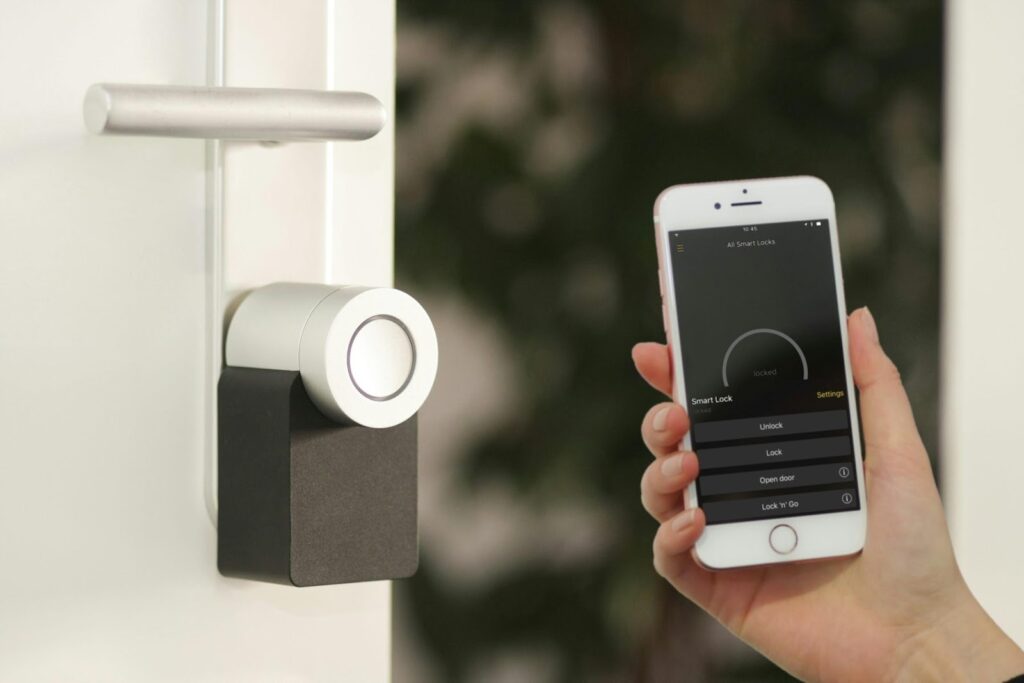
Smart home security has come a long way. You can now control your locks, lights, and cameras right from your phone.
Maybe you’re thinking about adding doorbell cameras, smart motion sensors, or connected floodlights. You could even upgrade to cloud video storage, facial recognition, or smart alarms that send instant alerts.
Each upgrade will make your home safer. But before you begin investing in smart home security solutions, you’ll need to know how you’re going to fund it.
This guide walks you through various options to make your security upgrade happen.
Use a Credit Card with a 0 Percent Introductory APR Offer
Credit cards with a 0 percent introductory APR (Annual Percentage Rate) can spread out the cost of new security gear without adding interest, as long as the balance is cleared before the promo period ends.
This option works best for smaller upgrades like cameras, locks, or motion sensors.
Make sure to check the length of the offer, usually between 6 and 18 months, and confirm whether purchases qualify for the rate.
Paying more than the minimum each month keeps the balance under control and helps avoid surprises once interest applies.
Apply for a Loan to Fund Your Smart Home Security Upgrade
Loans can be a flexible way to pay for connected security systems, especially if you want everything installed at once.
Personal loans, credit union loans, and even secured home improvement loans could be considered.
Each comes with different repayment terms and interest rates, so it helps to compare before committing.
For example, 118 118 Money loans let borrowers access up to £8,000, with the ability to repay over 12 to 60 months. You can also check your eligibility without affecting your credit.
If that suits your budget, you can apply for one confidently and start upgrading safely.
Explore Buy Now, Pay Later Plans from Security Retailers
Buy Now, Pay Later services make it easier to install smart security without paying everything upfront.
Retailers often partner with finance providers that divide your purchase into smaller monthly payments.
It can help if you’re buying things like cameras, hubs, or door sensors together.
Most plans offer short repayment periods with low or no interest, as long as you pay on time.
Still, missing payments can lead to fees, so treat it like a regular credit agreement.
This method works best for moderate upgrades where spreading the cost keeps your budget steady without long-term debt.
Look Into Financing Directly Through Your Security Provider
Many security companies offer their own payment plans for smart systems. Instead of paying the full cost upfront, you can spread equipment, installation, and service fees into fixed monthly payments.
It’s convenient because the provider handles both the setup and the financing, often bundling monitoring and maintenance into one plan.
Terms vary, so it’s worth checking the total repayment amount and any early settlement fees.
This route suits homeowners who want professional installation with predictable costs, without applying for separate credit elsewhere or managing multiple bills across different lenders.
Check for Local Grants or Rebates Supporting Smart Home Safety
Some councils, insurance companies, and community programs offer grants or rebates for installing smart security devices.
These incentives often support technology that prevents theft or improves household safety, such as smart locks, outdoor lighting, or connected alarm systems.
Availability depends on where you live, so start by checking local authority websites or your home insurer’s security upgrade programs.
While these funds rarely cover full costs, they can reduce what you need to borrow or finance.
It’s a practical way to make your security upgrade more affordable without adding long-term financial commitments.
Leverage Home Improvement Financing Programs from Banks
Some banks offer dedicated home improvement financing that fits smart home upgrades perfectly.
These programs often feature lower interest rates than credit cards and more predictable repayment terms. They’re designed for projects that add long-term value to your home, including connected security systems, lighting, and monitoring setups.
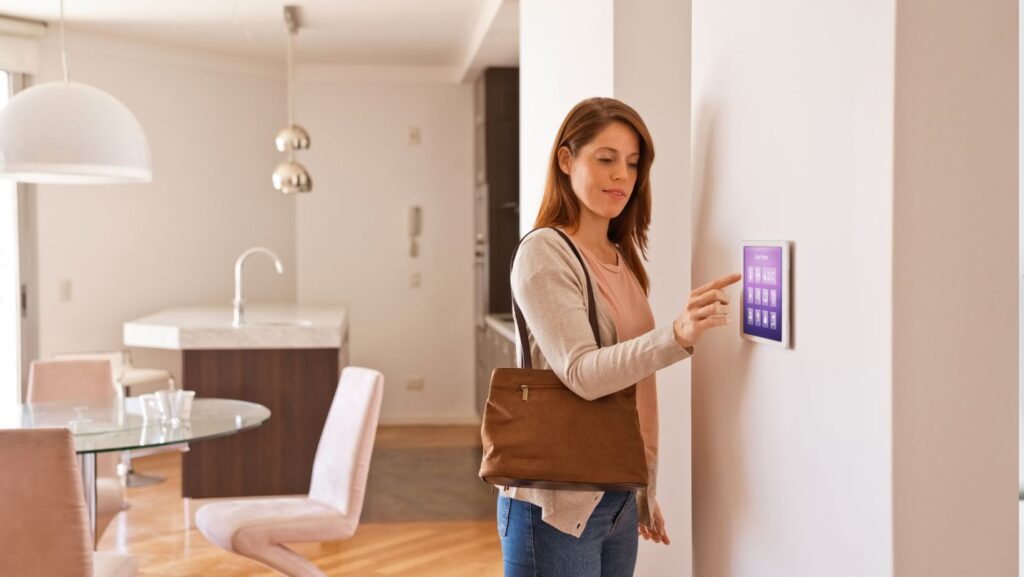
The application process usually involves verifying your income and credit, similar to a standard personal loan, but the funds are earmarked for property enhancements.
Choosing this route can make sense if you want structured financing with clear timelines and the ability to manage larger, integrated installations responsibly.
Start a Dedicated Savings Account for Gradual Upgrades
Saving steadily for smart home improvements keeps your finances predictable.
Opening a separate savings account lets you set aside a small amount each month toward future upgrades like sensors, cameras, or automation hubs. It avoids interest charges or credit checks and gives full control over when to buy.
Automating transfers from your main account helps the balance grow without effort. And once you reach your target, you can buy equipment outright, often catching seasonal sales.
This slower but safer route fits homeowners who prefer debt-free upgrades and value financial flexibility over immediate installation.