
The internet began as a single space for distributing information. It is changing rapidly today. It was used once to read websites. Now it’s smarter, more open, and user-owned. This move takes us out of the “traditional web” – the one run by big firms. Let’s find out how this is occurring and what it means to everyone.
Web 1.0: Read-Only Days
The first Web emerged during the 1990s and early 2000s. Sites were like digital books; static websites and read-only. Users could view the web, but not alter it much. Popular sites like Yahoo only showed facts, but did not personalize content for users.
This was a read-only Web that connected the world for the first time. It made it easy to find news, maps, and encyclopedias from home computers. It felt one-way, as though you were watching TV without a remote.
Web2.0: Share and Connect
Web2 followed, along with Facebook, YouTube, and Twitter, around 2004. Now, anyone could write content, post comments, and create communities. Apps let us upload photos, update our phones, and chat live.
Big companies such as Google and Meta gained power by collecting user information for ads. This made the web fun and social, but gave firms too much control over your information. Billions joined, and the internet became a global town square.
Web 3.0: Own Your Piece
Web3 is the next, sometimes referred to as the “read-write-own” web. It uses blockchain technology to make the internet decentralized. Crypto wallets allow users to store their data, profiles, and digital belongings.
In Web3, apps are on a blockchain:- No middlemen. You can trade art as NFTs or join groups without bosses picking winners.
Smart contracts on networks like Ethereum run apps without censors or failure servers. This means secure voting, finance without banks (DeFi), and true digital ownership. AI makes it smarter, understanding your needs and achieving personal results.
For example, decentralized apps like dApps allow artists to sell their work directly to worldwide audiences. Privacy tools such as zero-knowledge proofs conceal details while proving truth, fixing Web 2.0 flaws.
Key Tech Driving Change
Blockchain is the backbone that creates tamper-proof records. AI and machine learning also add smarts, anticipating what you want before you search. Smart fridges are linked to this network through the Internet of Things (IoT), with updates available in real time.
Voice and conversational AI skip browsers entirely. Chat with the agent, and it pulls information over platforms. AR/VR merges digital with actual life; for example, wearing clothes to the store.
A sure-fire route to the web3 world is to learn how to get a free .com domain (and enter web3 world) in promo codes from traditional name registrars or by blockchain naming services like Freename or ENS, which link old web addresses to new decentralized space.
Beyond Web 3: What’s Next?
Experts talk of Web 4.0 and 5.0. These are symbiotic webs merging human brains with machines via brain-computer interfaces (BCIs). Imagine thinking of a question, and answers appear in your mind through neural links.
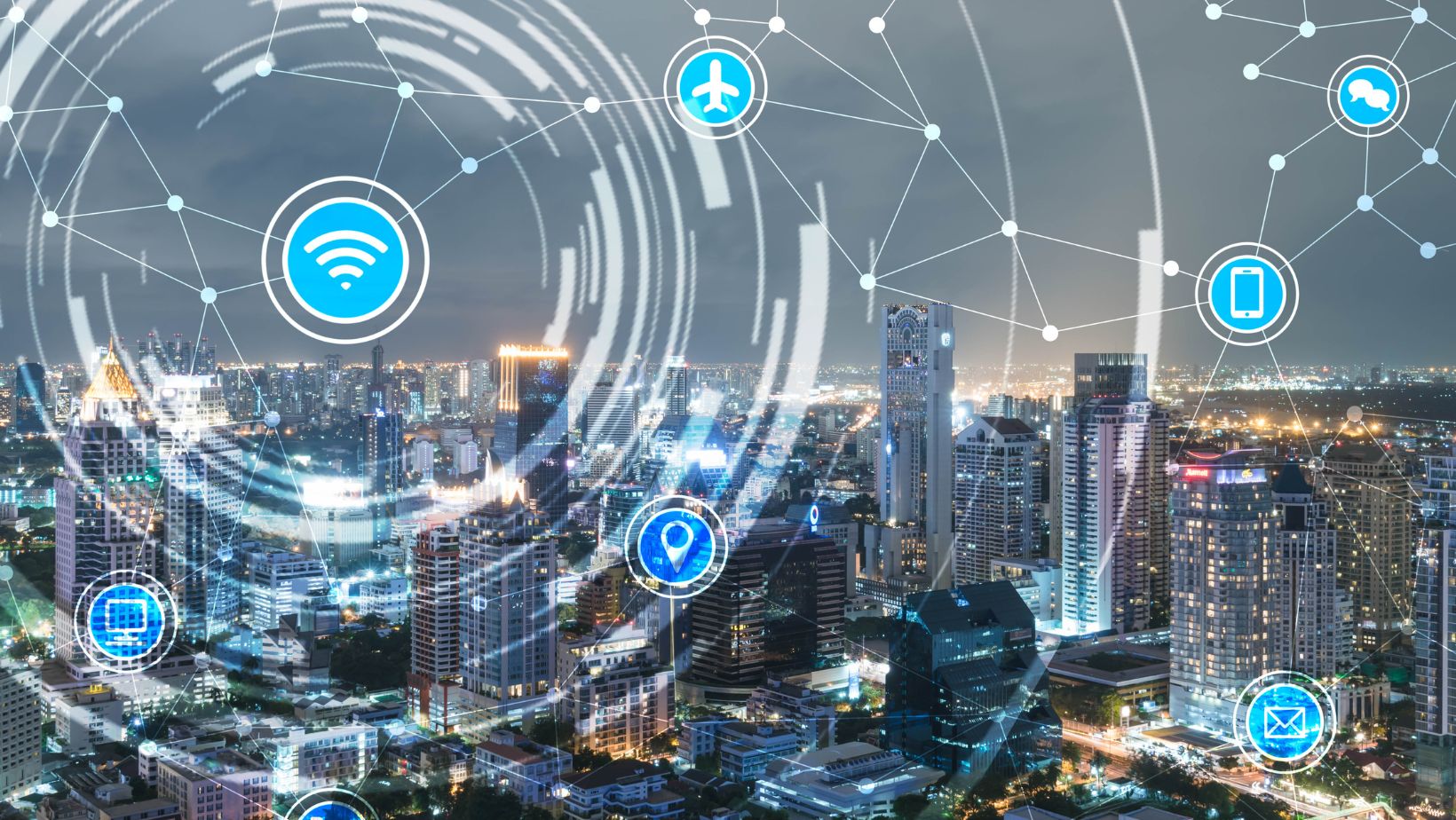
Whether it is to book trips or trade stocks, AI agents will be fully autonomous. Edge computing speeds everything up because it processes the data on your device — not on distant servers. This creates metaverses that feel real to work and play.
Benefits for Everyday Users
You get privacy, no data sales. Ownership means that your online profile or artwork cannot disappear when a platform closes down. Faster, more personal experiences save time as scrolling is wasted.
Communities do not live without gatekeepers. Web3 in Kenya, for instance, enables creators to sell on the worldwide market, but without high fees. It provides affordable, borderless tools to small businesses.
Challenges Ahead
Current blockchains can be slow and expensive when too many people use them at once. They also produce a lot of energy to mine, which is polluting the environment. But newer processes like proof-of-stake have far less power.
The new users often find crypto wallets and private keys jarring and complicated. Governments are trying to set rules for crypto taxes and scams, which could depress growth. It is good to learn the basics so that everybody can avoid tricks such as fake investing schemes in DeFi.
Looking Ahead
This move frees us from the grip of big tech. You keep your data, earn by working, and communicate without controls. Start small: get a crypto wallet, test a dApp, and join a DAO or group-owned project to vote on ideas.
The old web served us well. But Web3 and beyond will give people more power. It’s messy, but exciting. The internet is not done growing, it’s just getting started.