
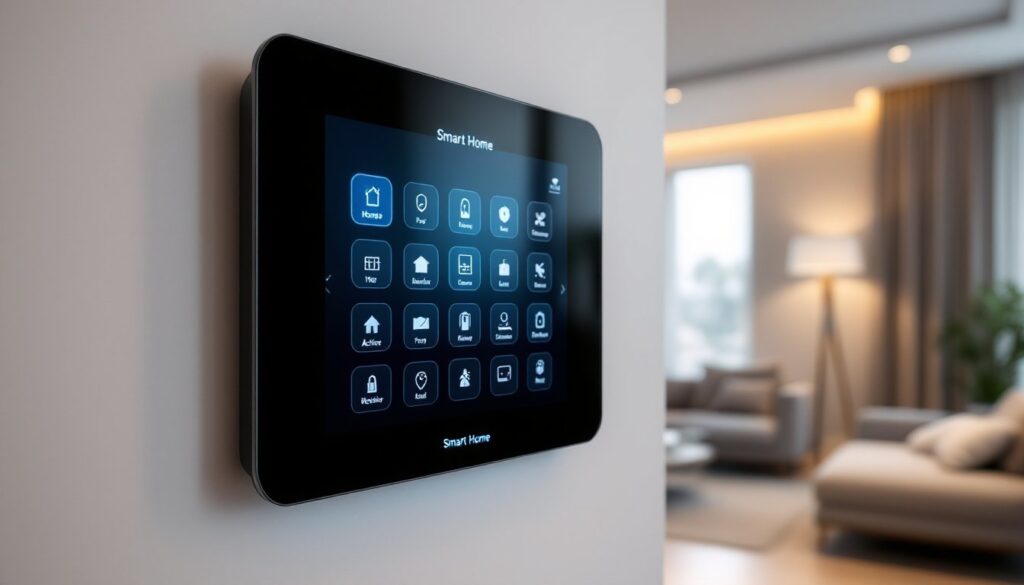
Picture this: You walk into your home after a long day. The lights shift to your favorite shade of warm gold, your playlist starts up, and the thermostat nudges itself to the perfect temperature. No switches, no remotes—just a house that seems to know you. That’s the promise of smart living technology, and it’s not science fiction anymore. It’s real, it’s here, and it’s changing the way we live, one small delight at a time.
What Is Smart Living Technology?
Smart living technology means using connected devices and systems to make your home more comfortable, secure, and efficient. Think smart speakers, thermostats, lights, security cameras, and even fridges that text you when you’re out of milk. These gadgets talk to each other, learn your habits, and help you save time, money, and energy. If you’ve ever wished your home could just “get you,” this is your moment.
Why People Are Embracing Smart Living Technology
Let’s break it down. People want more than just convenience. They want peace of mind, control, and sometimes, a little bit of magic. Here’s why smart living technology is catching on:
- Time-saving: Automate routines like morning lights, coffee brewing, or locking doors at night.
- Energy efficiency: Smart thermostats and lights cut down on wasted power, which means lower bills.
- Security: Get instant alerts if someone’s at your door or a window opens unexpectedly.
- Accessibility: Voice controls and automation help people with mobility challenges live more independently.
Here’s the part nobody tells you: The real win isn’t just the tech. It’s the feeling of your home working for you, not the other way around.
How Smart Living Technology Works
Most smart living technology runs on Wi-Fi, Bluetooth, or special wireless networks like Zigbee or Z-Wave. Devices connect to a central hub or your phone, letting you control them with apps or voice assistants like Alexa, Google Assistant, or Siri. Some systems use sensors to learn your habits—like when you leave for work or come home—so they can adjust settings automatically.
If you’ve ever struggled with a tangle of remotes or forgotten to turn off the lights, you’ll appreciate how these systems simplify daily life. But here’s a lesson I learned the hard way: Don’t buy everything at once. Start small, see what fits your routine, and build from there.
Smart Living Technology in Action: Real-Life Examples
Lighting That Knows Your Mood
Imagine waking up to gentle, sunrise-mimicking lights instead of a blaring alarm. Or having your living room lights dim automatically when you start a movie. Smart bulbs like Philips Hue or LIFX let you set scenes, schedules, and even colors—all from your phone or voice.
Thermostats That Save You Money
Smart thermostats like Nest or Ecobee learn your schedule and adjust heating or cooling to match. One user reported saving 15% on their energy bill in the first year. That’s not just a number—it’s a weekend getaway paid for by your thermostat.
Security That Never Sleeps
Smart cameras and doorbells, like Ring or Arlo, send live video to your phone. You can see who’s at the door, talk to delivery drivers, or get alerts if something’s off. I once caught a raccoon raiding my trash at 2 a.m.—not the intruder I expected, but still a win for peace of mind.
Voice Assistants That Actually Help
“Alexa, turn off the kitchen lights.” “Hey Google, play my workout playlist.” Voice assistants tie your smart living technology together, making it feel like you’re living in the future. The best part? No more fumbling for switches with full hands.
Who Should (and Shouldn’t) Use Smart Living Technology?
If you love gadgets, crave convenience, or want to save money on utilities, smart living technology is for you. It’s also a game-changer for busy families, frequent travelers, and anyone who wants to keep an eye on their home from afar.
But it’s not for everyone. If you hate apps, worry about privacy, or just want things simple, you might find smart living technology more hassle than help. And that’s okay. The best tech fits your life, not the other way around.
Common Mistakes and How to Avoid Them
- Buying incompatible devices: Not all smart gadgets play nice together. Check compatibility before you buy.
- Ignoring security: Change default passwords and keep software updated. A smart lock is only as safe as your Wi-Fi password.
- Overcomplicating setups: Start with one or two devices. Get comfortable before adding more.
I once tried to automate my entire apartment in a weekend. Result? Chaos. Lights flickered, the thermostat rebelled, and my partner threatened to move out. Lesson learned: Go slow, and don’t be afraid to ask for help.
How to Get Started with Smart Living Technology
- Pick one area to improve—lighting, security, or climate control.
- Choose devices that work with your phone or voice assistant.
- Set up routines or automations for daily tasks.
- Test, tweak, and enjoy the small wins.
Here’s why this matters: Every step you take makes your home a little smarter and your life a little easier. You don’t need to spend a fortune or be a tech wizard. Just start with what matters most to you.
What’s Next for Smart Living Technology?
Smart living technology keeps getting better. New devices use AI to learn your habits, spot problems before they happen, and even suggest ways to save money. Some companies are working on sensors that track air quality, water leaks, or even your sleep patterns. The future? It’s about homes that care for you, not just respond to commands.
If you’ve ever dreamed of a home that feels alive, now’s your chance. Smart living technology isn’t just about gadgets—it’s about creating a space that knows you, supports you, and maybe even surprises you. Ready to see what your home can do?