
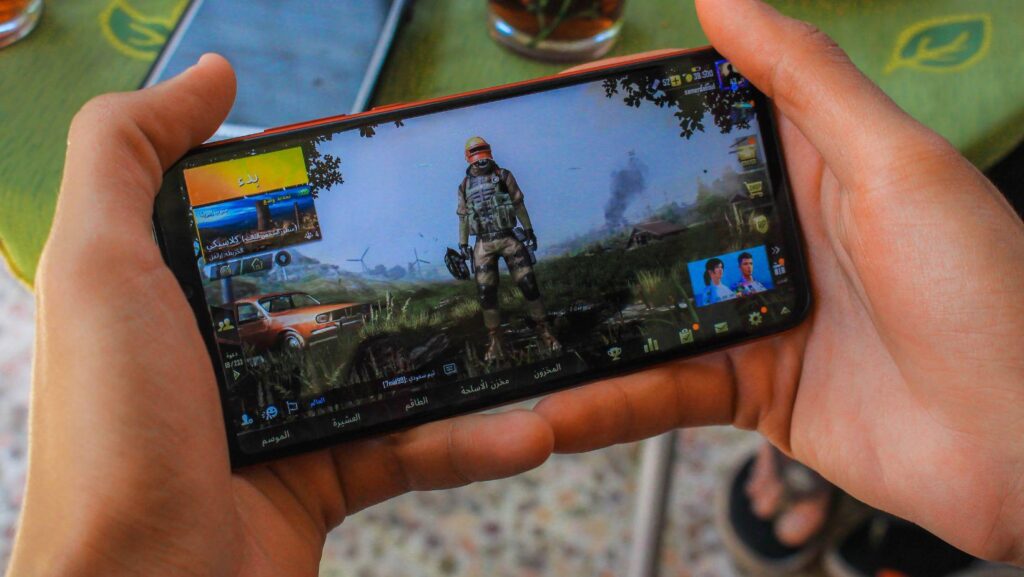
A modern casino session opens instantly. A reel spins and settles without a flicker. A live dealer shuffles cards on a video feed clean enough to read every card from across the table. In-play sports betting updates odds the moment a goal goes in, a bet slip confirms in under a second, and a cash-out request clears before the next play starts. Loyalty points land in an account the moment a wager settles. None of that was reliable even a few years ago. All of it now happens on an ordinary phone.
Getting there took more than better casino software. The phone underneath the casino app had to catch up first.
Live Dealer Tables Now Run Without a Hitch
A live dealer table is one of the hardest things a phone has to render. Video has to stream without buffering, taps have to register the instant a player wants to hit or stand, and none of it can lag behind the actual dealer on the other end of the feed. Chipmakers spent years closing that gap, building processors that handle security and smooth visuals at the same time without either one costing the other. That progress shows up clearly at the budget end of the market, exactly where casual bettors and casino players tend to shop for devices. A recently launched affordable Mac built around a phone-grade chip makes the point well: reviewers expected trade-offs and instead found the machine handling mobile games including casino titles that reward instant response, all without breaking a sweat.
Slots are almost as demanding in their own way. Every spin needs to resolve the moment a reel stops rather than a beat later, and bonus rounds have to fire without a loading pause that breaks the rhythm of a session. Phones used to struggle with exactly this kind of workload, especially once encryption and account security were added on top. Protecting a login, a card number, and a balance takes real processing work, and older hardware showed the strain the moment a demanding casino app asked for it.
Security Keeps Pace With Every Real Money Spin
Plenty of players connect from somewhere other than home: a hotel room, an airport lounge, a train with decent Wi-Fi and a match kicking off. Wrapping that connection in a VPN protects a login and a balance on networks nobody fully controls. Building good internet safety habits around every session, picking reputable networks, checking a platform's licensing, keeping the app itself current, matters just as much for how enjoyable a night at the tables feels as which chip is doing the work behind the scenes.
The old concern was that a VPN would slow a session down right when speed matters most, mid-spin or mid-bet. Modern devices and current encryption standards have closed that gap. Players connecting through a VPN on a decent device now report casino sessions that feel identical to an unprotected one, right down to how fast a reel stops and how quickly a live table responds to a raise.
Faster Protocols Match the Pace of Play
Some of the credit belongs to the protocols carrying that traffic. Newer encryption standards trimmed the number of round trips a connection needs before it can start moving data, cutting delays that older methods used to accept as the cost of privacy. A well-known breakdown of how VPNs affect connection speed explains why that gap has closed: modern protocols are lighter, and the extra hop a VPN adds barely registers once the underlying connection is fast and the device on the other end has power in reserve.
For a live casino table or an in-play bet placed seconds before kickoff, those trimmed milliseconds add up to a session that never feels like it is waiting on anything. Across a full evening of slots, live tables, and in-play bets, the combination of a modern chip, a lighter protocol, and a few sensible habits means mobile casino gaming no longer asks players to choose between speed and security.