
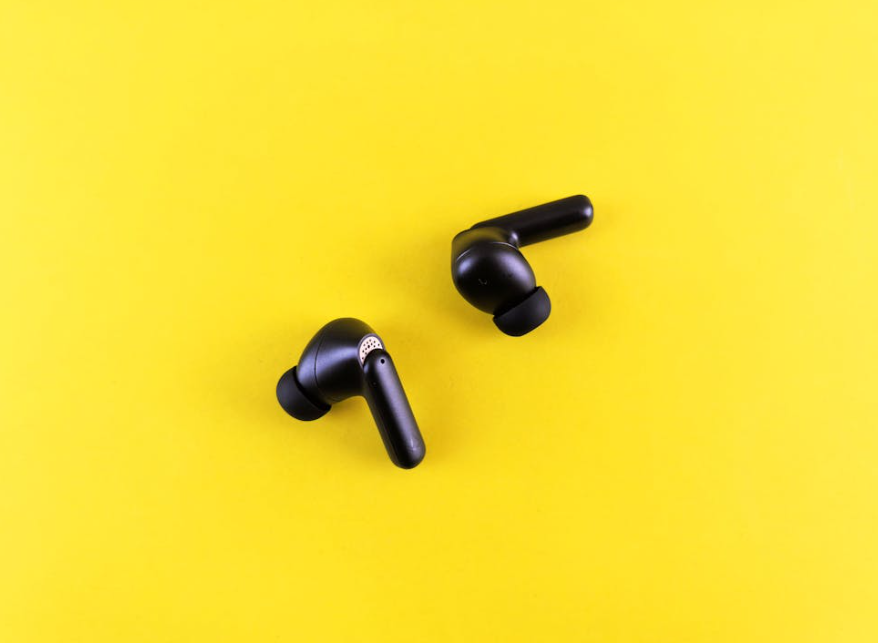
Wireless earbuds are compact audio devices that connect to phones or other devices through Bluetooth. They are designed for hands-free listening, phone calls, and media use without cables getting in the way.
Their popularity has grown as smartphones move away from headphone jacks. This shift has made wireless audio a default option for many users in daily life.
Earbuds are used in different settings such as commuting, office work, exercise, and casual listening. Each use case affects what features matter most.
Fit and Comfort in Ear Design
Fit is one of the first issues noticed when using wireless earbuds. A secure fit helps prevent them from falling out during movement.
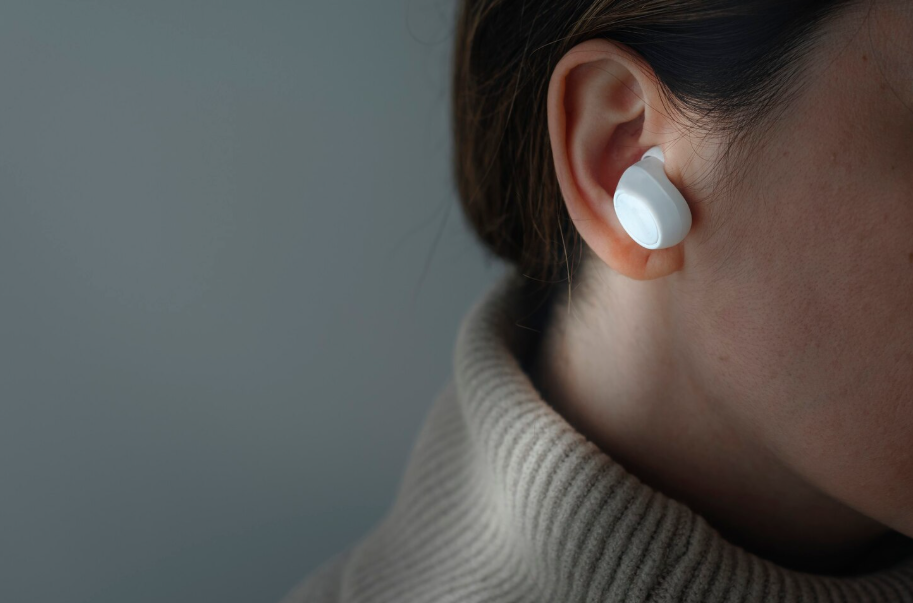
Most earbuds come with silicone ear tips in different sizes. These help create a seal inside the ear, improving stability and sound isolation.
Some designs sit deeper in the ear canal, while others rest more loosely. Deeper fits often provide better noise isolation, while lighter fits feel less intrusive during long use.
Comfort becomes more important during extended listening sessions, especially for work or travel.
Sound Quality and Audio Balance
Sound quality varies depending on driver size, tuning, and internal design. Some earbuds emphasise bass, while others focus on clearer vocals and balanced output.
Balanced sound is often preferred for daily use because it handles music, calls, and videos without extreme distortion.
Noise isolation also affects perceived sound quality. A good seal reduces external noise, allowing clearer audio at lower volumes.
In noisy environments, this helps reduce the need to increase volume excessively.
Battery Life and Charging Case Function
Battery life is a key factor in wireless earbuds. Most earbuds provide several hours of playback on a single charge.
Charging cases extend total usage time by recharging earbuds multiple times before the case itself needs charging.
Usage patterns influence battery needs. Long commuting hours or continuous calls require higher battery capacity.
Battery performance gradually decreases over time, which is expected with rechargeable devices.
Connectivity and Device Compatibility
Wireless earbuds rely on Bluetooth for connection. Stable connectivity is important for uninterrupted audio during calls or media playback.
Most modern earbuds support fast pairing with smartphones, tablets, and laptops. Some also allow switching between multiple devices.
Connection stability can vary depending on distance, obstacles, and device compatibility.
For daily use, a consistent connection is often more important than advanced features.
Microphone Performance for Calls
Wireless earbuds are frequently used for phone calls and online meetings. Microphone quality, therefore, plays a key role in usability.
Clear voice pickup depends on microphone placement and noise reduction technology. Some models reduce background noise to improve speech clarity.
In outdoor or crowded environments, microphone performance becomes more noticeable.
Multiple microphone setups are often used to improve voice isolation.
Durability and Everyday Handling
Earbuds are handled frequently throughout the day, so durability matters.
Charging cases are often carried in pockets or bags, which exposes them to physical impact.
Sweat and moisture resistance are important for users who exercise or spend time outdoors.
Build quality affects long-term performance and reduces the risk of early damage.
Choosing Based on Lifestyle Needs
Different lifestyles require different earbud features. For commuting, noise isolation and battery life are often prioritised.
For office use, comfort and microphone quality become more important for calls and meetings.
For exercise, stability and water resistance are key factors to prevent movement and damage.
Matching earbuds to usage patterns helps avoid unnecessary features that are not used.
Budget Considerations and Value
Wireless earbuds are available across a wide price range. Entry-level models focus on basic sound and connectivity.
Mid-range options often balance sound quality, battery life, and comfort.
Premium models include advanced noise cancellation, improved microphones, and refined audio tuning.
Value depends on how well features match actual daily use rather than price alone.
Maintenance and Longevity
Regular cleaning helps maintain sound quality and hygiene. Ear tips can collect dirt and should be cleaned periodically.
Charging cases should also be kept clean to maintain proper charging contact.
Proper storage reduces wear and protects against accidental damage.
With basic care, earbuds can last longer and maintain consistent performance.
Overall Role in Daily Listening
Wireless earbuds have become a standard part of daily audio use. Their portability and convenience make them suitable for multiple environments.
Choosing the right pair depends on comfort, sound balance, and lifestyle needs rather than brand alone.
A well-matched pair improves daily listening without unnecessary complexity.
FAQs
What should be considered when buying wireless earbuds?
Fit, battery life, sound quality, and microphone performance are key factors.
Do wireless earbuds work with all phones?
Most earbuds connect via Bluetooth and work with modern smartphones, tablets, and laptops.
How long does the battery last on wireless earbuds?
Most models provide several hours of use per charge, extended by the charging case.
Are wireless earbuds good for workouts?
Yes, models with secure fit and water resistance are suitable for exercise.